If you want to catch more fish on soft plastics, stop thinking “which color” and start thinking where the fish actually live.
Soft plastics are at their best when you fish them around structure and edges — the places fish sit, hunt, and ambush. This guide is a simple, practical way to find “high-percentage water” quickly, whether you’re land-based, on a boat, or in a kayak.
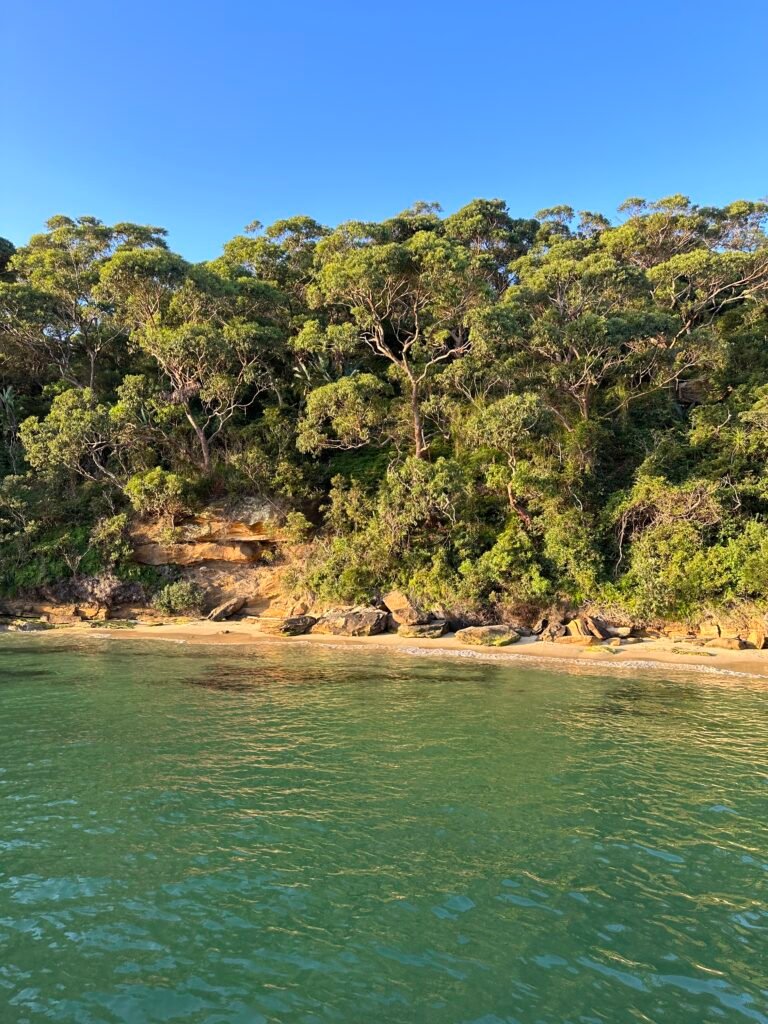
The core idea: fish edges, not empty water
“Edge” means any boundary where something changes:
- shallow to deep
- sand to weed
- current to slack water
- light to shade
- open water to structure
Fish love edges because that’s where food funnels past them and where they can ambush without burning energy.
Where to cast soft plastics
Cast soft plastics around structure and edges where fish ambush—drop-offs, weed lines, sand/weed transitions, rock walls, pontoons, pylons, and current seams. Start by fishing the “change line” (where depth or bottom type changes), then work along it with a hop-and-pause or slow roll. If you’re not getting bites, change angle and zone before changing lure color.
The 8 best “high-percentage” spots for soft plastics
1) Drop-offs and ledges
Drop-offs are fish highways. Bait gets pushed along them and predators sit on the edge.
How to fish it: cast shallow, retrieve down the face. Then swap: cast deep, hop it back up the edge.
2) Weed edges
Weed holds bait. Predators patrol the edge.
The edge is the grocery store aisle.
How to fish it: keep your lure running parallel to the weed line. If you cast straight into weed, you’ll snag and hate life.
3) Sand/weed transitions
Fish love the “line” where sand meets weed. It’s a natural feeding boundary.
How to fish it: hop-and-pause along the transition line, not randomly across the flat.
4) Rock walls and points
Rocks create current breaks and shade, and they hold food.
How to fish it: fish the down-current side. Keep contact, expect bites close to the wall.
5) Pontoons, pylons, wharves
Structure equals shade equals bait equals fish. Simple.
How to fish it: cast past the structure, retrieve alongside it, then drop it down the face with pauses. Don’t just “pepper” the middle randomly.
6) Current seams and pressure points
Anywhere current meets slack water creates a seam. Fish sit just out of the flow and intercept food.
How to fish it: cast slightly up-current and let the lure swing into the seam.
7) Channels and drains
On falling tides, drains and channels funnel bait. Fish stack up.
How to fish it: position so your lure moves naturally with the flow. Longer pauses can be deadly here.
8) Shallow flats next to deeper water
Flats are feeding areas, but fish often retreat to nearby depth.
How to fish it: work the edge first, then explore the flat if you see bait or activity.
The “fan cast” search pattern (stop guessing)
If you arrive at a new spot, don’t just cast straight out 100 times.
Do this:
- cast left
- cast middle-left
- cast middle
- cast middle-right
- cast right
Then move 10–20m and repeat.
You’re mapping depth, structure, and bites. It turns random fishing into a system.
How to fish structure without snagging constantly
Snags aren’t always “bad luck”. Usually it’s one of these:
- jighead too heavy (crashes and wedges)
- dragging instead of hopping
- casting directly into structure instead of along it
- too much slack line (you lose control)
Fix sequence:
- lighten jighead one step
- fish along the edge (parallel)
- hop higher and pause (don’t plough)
- if it’s gnarly, go weedless (later guide)